Frequently asked questions.
Individual therapy focuses on personal healing, growth, and understanding the patterns that shape your life.
Couples therapy supports romantic partners in navigating communication, conflict, attachment, and connection.
Partnerships work helps business partners, founders, leadership teams, family businesses, and other high-stakes relationships work through both the relational and structural sides of building something together. This includes how people communicate and navigate differences under pressure, and how roles, authority, and decisions actually get made. The goal is a partnership that is both relationally sound and operationally clear.
Coaching focuses on growth, leadership, transitions, and future-oriented goals for people who are generally functioning well but want greater alignment, clarity, or effectiveness.
The Maduro Method is Rosalie's integrative approach to therapy and coaching. It focuses on three interconnected areas of experience: Mind, Body, and Story.
Rather than working only with thoughts or behaviors, the approach explores meaning, nervous system responses, relationships, identity, and lived experience to support lasting change. The work recognizes that understanding a pattern and experiencing something different are not always the same thing.
Partnerships work supports people whose success depends on a relationship functioning well. This may include business partners, founders, spouses, family members, or leadership teams.
Sometimes the relationship itself has become strained. Other times, everyone gets along, but roles, authority, and decision-making were never clearly defined. The goal is not to determine who is right, but to understand where the partnership is actually stuck and build the communication, trust, and structure needed to move forward.
Many people arrive having already done significant self-reflection or therapy. They understand the pattern, yet something still happens in the moment.
This work focuses on the places insight alone cannot reach: the body, relationships, and the stories that shape how we move through the world. The goal is not simply to understand why a pattern exists, but to create the conditions for something different to become possible.
Rosalie offers individual therapy and couples therapy using trauma-informed and mind-body approaches. She integrates Narrative Therapy, Somatic Therapy, EMDR, the Trauma Resiliency Model (TRM), Trauma-Informed Yoga, CBT, and DBT to help clients heal, grow, and build emotional resilience. She is also currently pursuing additional training in Internal Family Systems (IFS) and Somatic Experiencing to deepen this integrative approach.
Coaching with Rosalie focuses on identity, leadership, boundaries, and relational clarity for people who are generally functioning well but want more alignment, direction, or support navigating transitions. The same nervous-system-informed, relational lens as therapy, with a forward-focused orientation.
Trauma-informed care focuses on understanding the impact of trauma on the mind and body. Rosalie provides a safe, supportive environment where clients can process experiences, regulate their nervous system, and rebuild trust in themselves and others.
Trauma can show up through tension, fatigue, anxiety, flashbacks, or patterns that feel stuck. It can also impact relationships, self-esteem, and how you navigate daily life. Somatic and integrative therapies help you recognize these patterns, release what's held in the body, and regain a sense of safety and agency.
Rosalie combines evidence-based and holistic methods to help clients access deep healing. Somatic Therapy addresses body-held stress, TRM builds trauma resilience, and EMDR helps reprocess traumatic memories safely.
Narrative Therapy is a type of talk therapy, but it's more than just talking. It helps you explore the stories you tell about yourself: how past experiences, culture, and relationships shape your identity. Rosalie works with you to uncover limiting narratives and re-author new ones that reflect your strengths, values, and capacity for growth. Learn more about Narrative Therapy →
Somatic Therapy might be right for you if talk therapy alone hasn't fully helped, or if you notice stress, trauma, or emotions showing up in your body through tension, fatigue, pain, or feeling stuck. You'll learn to reconnect with your body's natural ability to regulate and release what it's been holding onto at a pace that feels safe.
Absolutely. Therapy can be a safe space to explore questions about gender, sexuality, culture, and personal identity. Rosalie works with you to understand how your experiences, culture, and environment shape your sense of self. Together, you'll explore what feels authentic, meaningful, and true for you.
Rosalie works closely with BIPOC, AAPI, Filipinx, LGBTQIA+, and other marginalized communities to create inclusive, culturally responsive spaces. Your experiences, identity, and background are honored, and therapy is tailored to your unique context and needs.
No. Rosalie works with people from many backgrounds. While cultural identity often plays an important role in the work, therapy is open to anyone seeking a thoughtful, relational, and trauma-informed approach.
Therapy is a process, and progress can look different for everyone. You may notice small shifts in how you feel, think, or respond to situations. Over time, many clients experience greater resilience, clarity, self-compassion, and a stronger sense of agency in their lives.
Sessions usually last 50 minutes. Frequency depends on your goals. It is typically weekly or biweekly for therapy or coaching, but always tailored to each client's needs.
Partnerships engagements run on a different structure: six 90-minute sessions held approximately every other week, with the option to continue afterward if the group wants further support.
Rosalie provides both online (teletherapy) and in-person sessions in California and Utah, making care flexible and convenient.
Rosalie offers the self-pay option. She can provide monthly insurance statements ("Superbills") for possible reimbursement for out-of-network mental health services. For questions about your out-of-network benefits, please contact your insurance carrier before scheduling.
Partnership work is priced by group size and begins with a minimum engagement of six 90-minute sessions. Six sessions is a starting point, not a guaranteed endpoint — some groups need more time depending on complexity, and that's determined together as the work unfolds. Exact pricing is confirmed during your consultation. Limited sliding-scale spots available for individual and couples therapy.
If you're seeking healing from trauma, emotional growth, relationship support, or life transformation, therapy or coaching can help. Schedule your free 15-minute consultation today to clarify your goals and the approach best suited for you.
The first step is to schedule an initial consultation by calling Rosalie's office or submitting the contact form on her website.
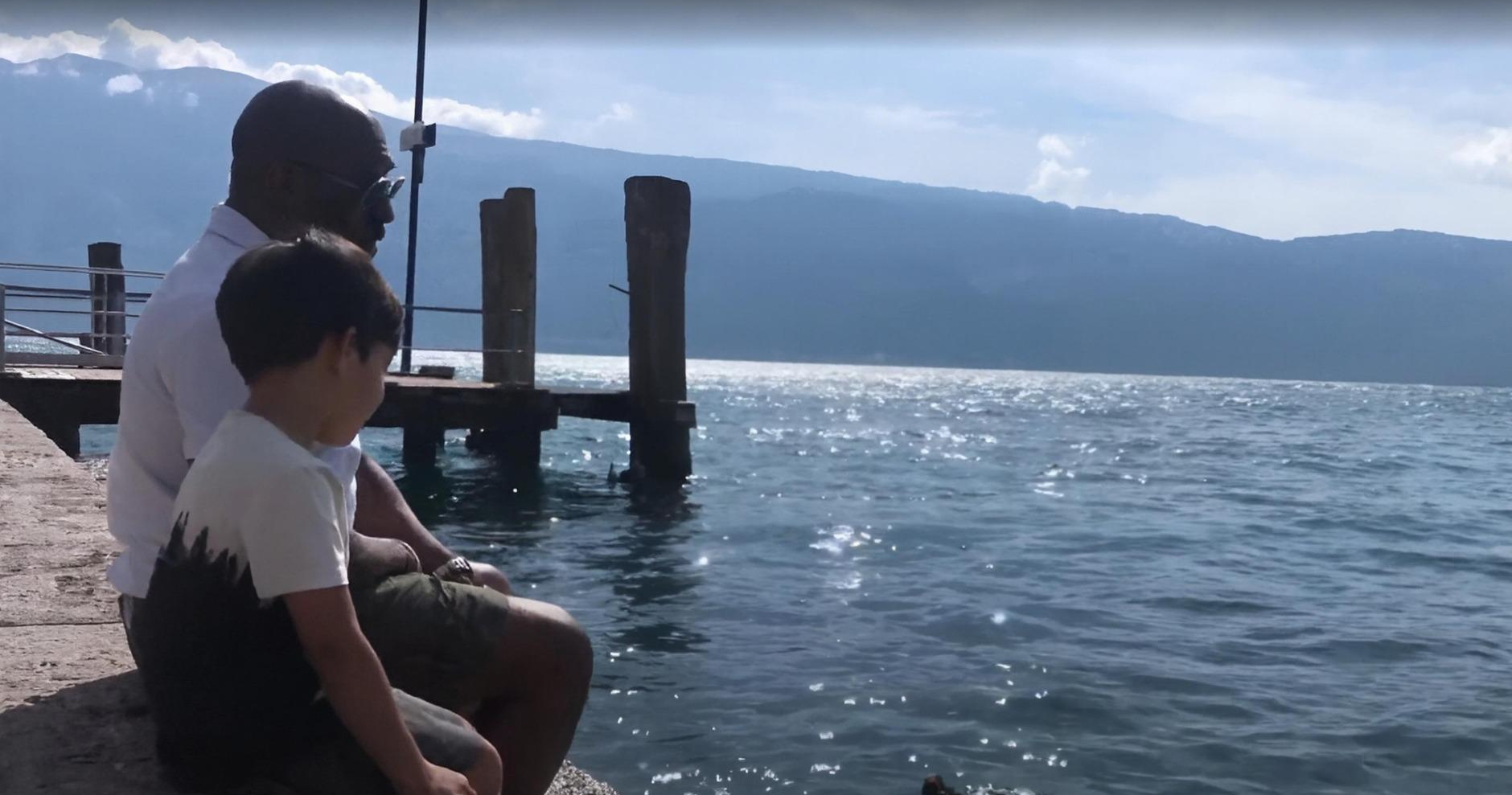
Healing begins when you're held steady by the water, by another's presence, by your own quiet strength, and you remember it's safe to cast your line again.