When belonging is complicated.
Culture shapes how we understand ourselves, our relationships, and what is expected of us. Therapy can be a place to explore those influences without asking you to choose between who you are and where you come from.
Schedule a Consultation
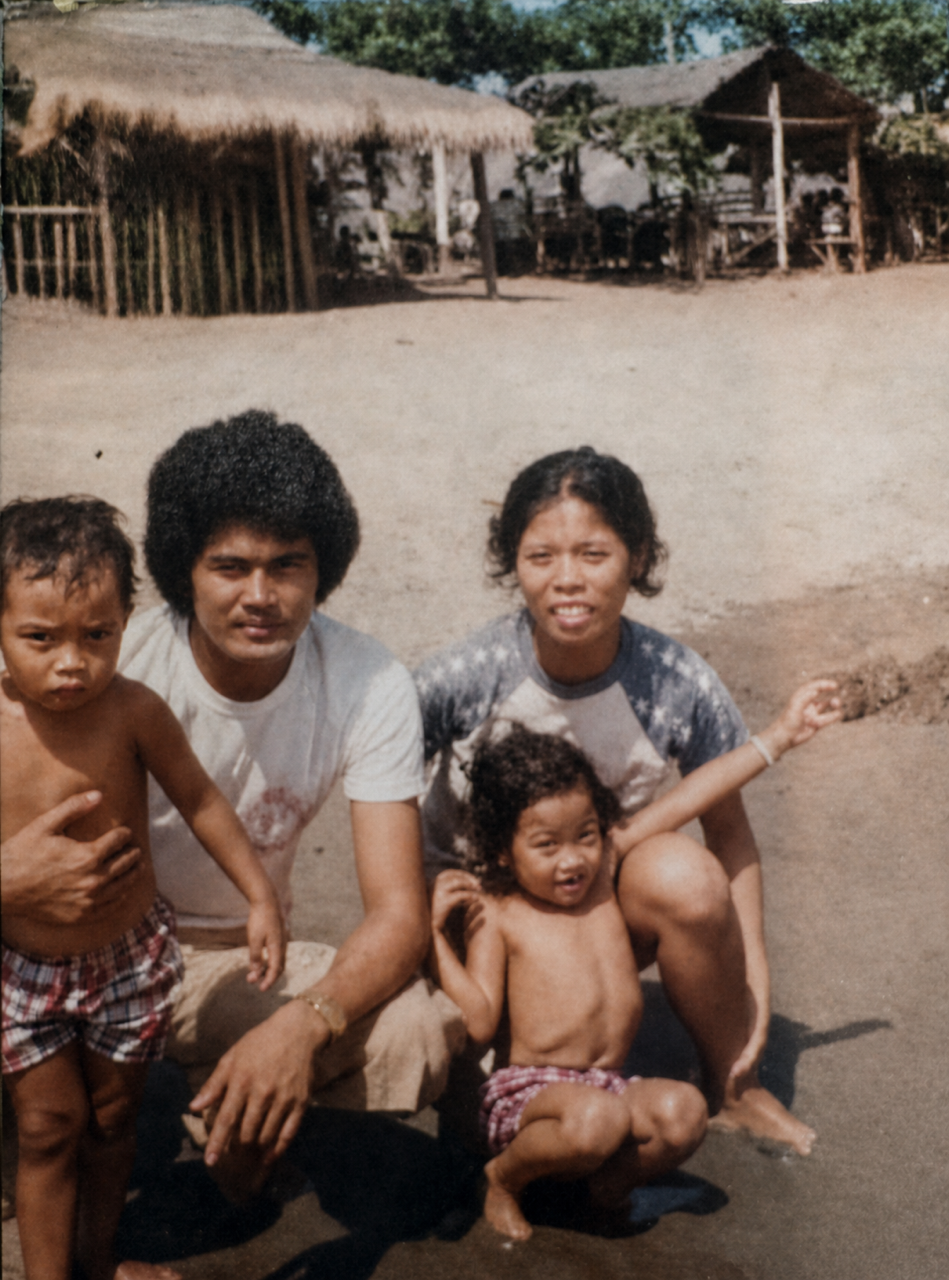
The self that formed between worlds.
Culture shapes us long before we have words for it. It teaches us what family means, what we owe the people we love, how much space we're allowed to take up, and what it looks like to succeed. These aren't abstract ideas. They live in how we move through relationships, what we feel when we disappoint someone, and the version of ourselves we present depending on the room we're in.
For people who have lived between cultures, this can become quietly exhausting. You may feel genuinely connected to where you come from while also carrying expectations that no longer fit who you are. You may have learned to adapt so well that at some point it became hard to know which version of yourself was actually yours.
As a Filipino-American therapist and immigrant, I understand some of these tensions from the inside. This work creates space to look at what culture has given you, what it has asked of you, and what it might mean to hold both honestly. Culture is not the problem. And healing doesn't require leaving any part of it behind.

Cultural identity therapy when belonging feels complicated.
You may know where you come from and still have questions about where you fit. Sometimes the tension appears in family relationships. Sometimes at work, in partnerships, or in the expectations you carry for yourself.
You find yourself navigating different values, expectations, or versions of yourself depending on where you are and who you are with.
Loyalty, obligation, achievement, caregiving, or being "the strong one" can make it difficult to know what you actually want.
You may feel like too much in one space and not enough in another, like you're always slightly translating yourself for the room you're in.
You want to understand what has been carried through your family without reducing your parents, your culture, or yourself to something that needs to be blamed.
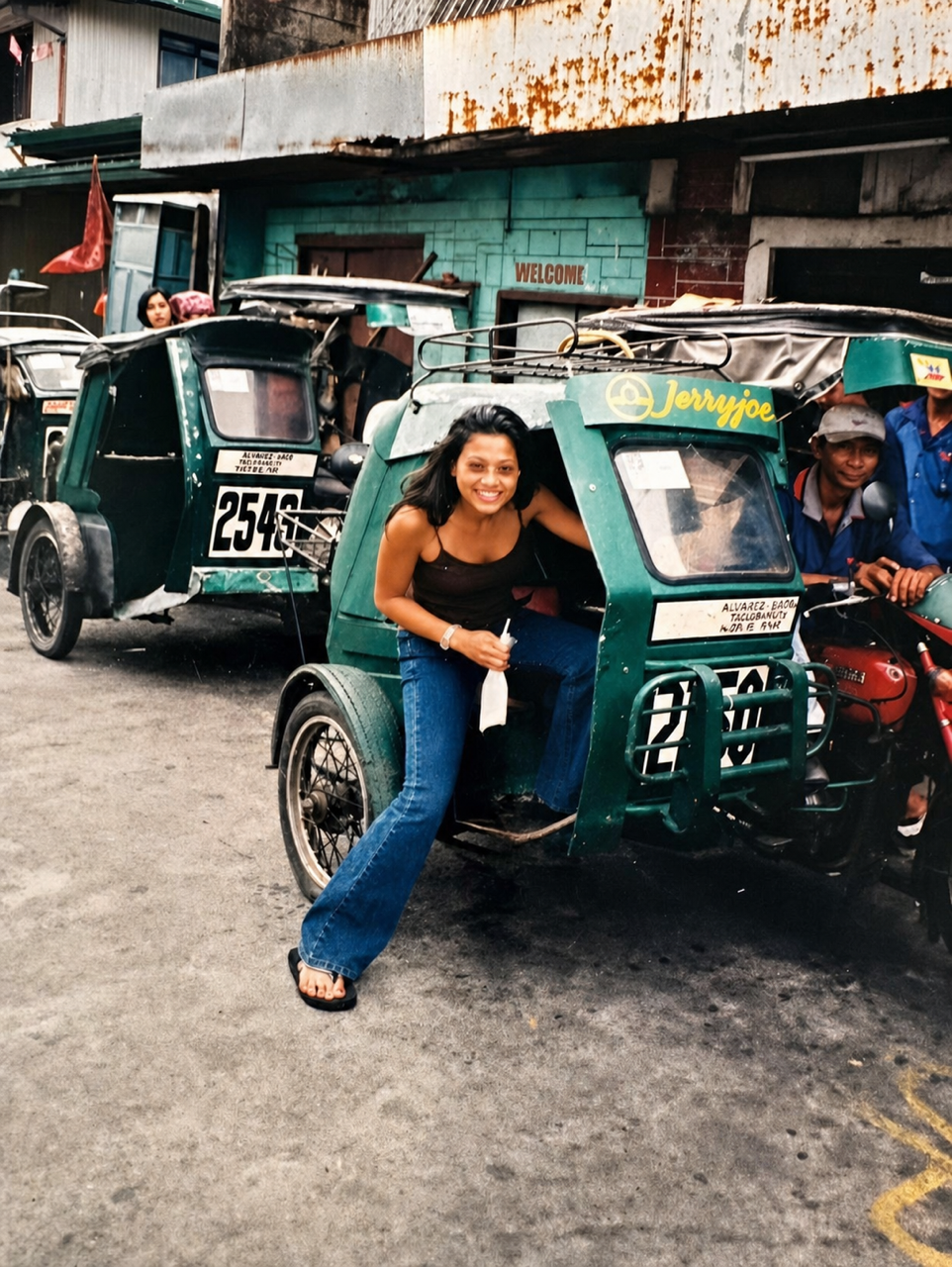
Culture is not something to overcome.
Culture can hold belonging, family, language, tradition, faith, resilience, sacrifice, and connection. It can also carry expectations that become complicated as circumstances, generations, and identities change.
Therapy does not have to be about deciding which values are right or wrong. We can become curious about what you inherited, what protected or connected you, what still fits, and what you may want to carry differently.
The goal is not to become less connected to where you come from. It is to have more choice in how you live within everything that has shaped you.
Culture can show up in unexpected places.
- Family and intergenerational expectations
- Immigration and acculturation
- Code-switching and adapting
- Racial and cultural identity
- Being between cultures
- Achievement and responsibility
- Boundaries, loyalty, and guilt
- Interracial or intercultural relationships
- The pressure to be the strong one
- Questions about who you are becoming
Mind. Body. Story.
As a Filipino-American therapist who immigrated to the United States as a child, I provide cultural identity therapy for adults navigating belonging, family expectations, immigration, intergenerational patterns, and the complexity of living between cultures. Culture can shape how we understand belonging, family, responsibility, and what we believe is expected of us.
My approach brings together mind, body, and story. We can explore the meanings and expectations you have carried, how your nervous system learned to adapt, and the stories you developed about who you needed to be in order to belong.
I integrate somatic therapy, EMDR, attachment work, and narrative exploration through the Maduro Method. The goal is not to separate you from your culture or decide which parts of it to keep. It is to create more room for choice within everything that has shaped you.
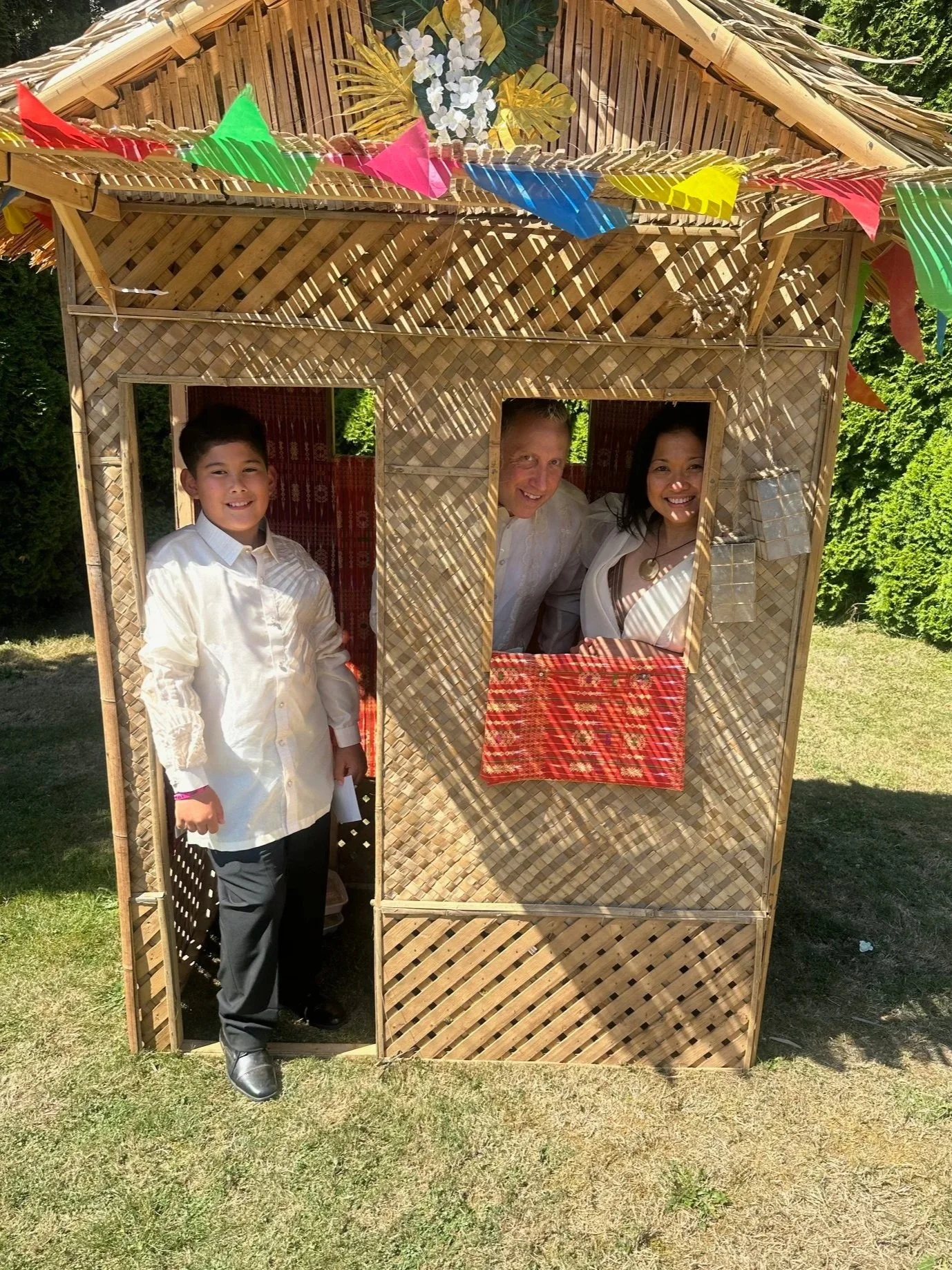
What feeling more at home in yourself can look like.
You begin to notice which expectations still fit and which ones you may be carrying because they once helped you belong.
You may find more room for boundaries without losing connection. More freedom to want something different without rejecting where you came from. More capacity to move between different parts of your world without feeling that one version of you has to disappear.
Over time, identity can feel less like something you have to resolve and more like something you are allowed to inhabit.
Questions of culture and identity often intersect with relationships, loss, and what we carry across generations. This work can also connect with attachment therapy and grief therapy.
If you want to explore a little more.
You don't have to choose between belonging and being yourself.
You do not need to have your identity figured out before beginning.
If you are navigating questions of culture, family, belonging, or the expectations you carry, I offer a free 15-minute consultation where we can talk about what brings you here and whether working together feels like a good fit.
Schedule a consultation