The Maduro Method
The Maduro Method is an integrated way of working with how you think, how your body responds, and the story you carry about who you are. It draws on somatic therapy, EMDR, narrative therapy, and attachment-based approaches.
Book a free consultationDoes any of this sound familiar?
These aren't personal failures. They can have many roots, including sustained demand, adaptation, and relational history.
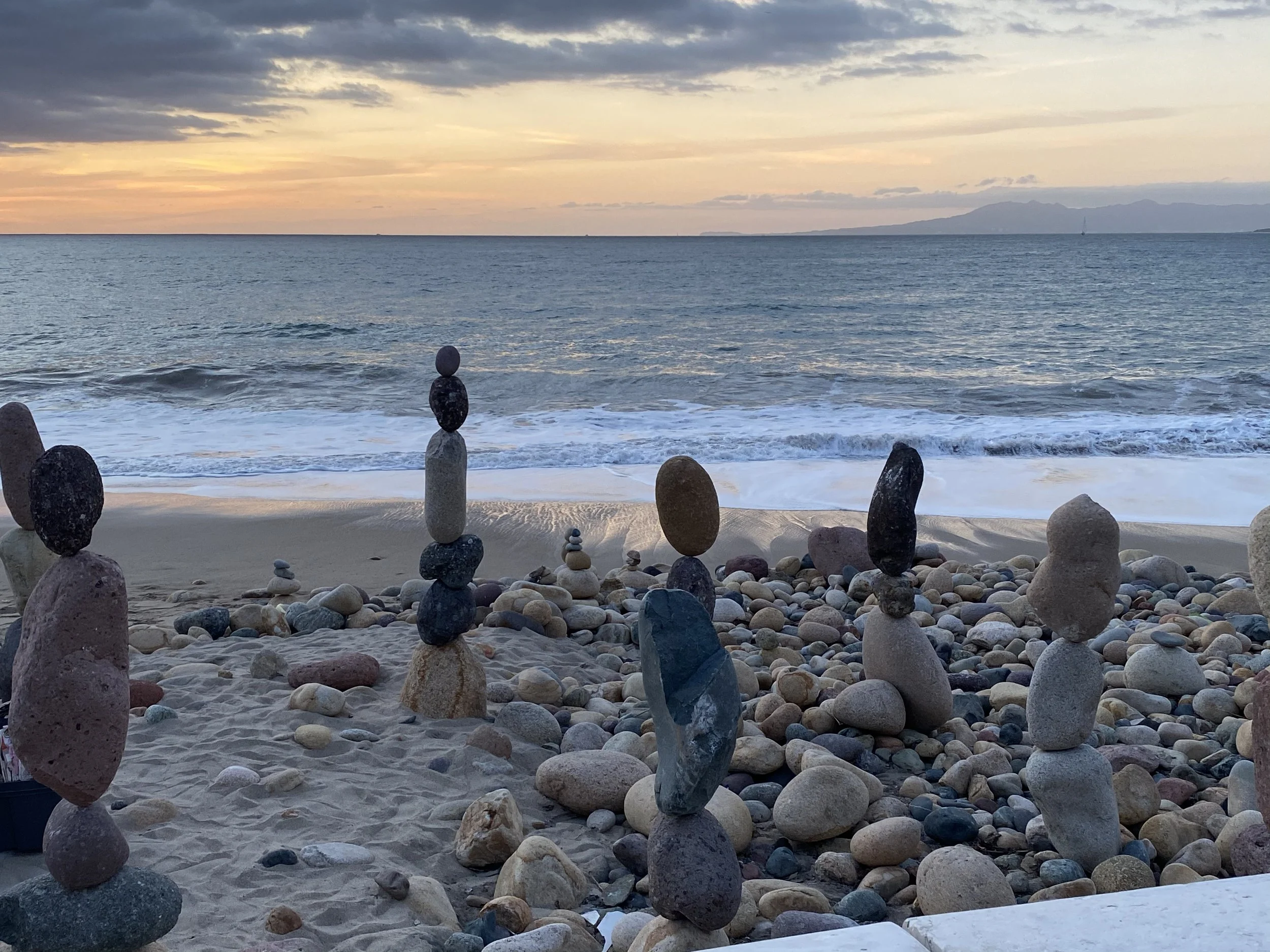
The mind anticipates what experience has taught it to expect.

Many people arrive here already understanding the pattern.
They've read the books, reflected on the past, spent years trying to make sense of what they carry, and worked hard to change it.
And still, something happens in the moment.
The same reactions appear when the stakes are high. The same fears surface in relationships. The same shutdowns, self-criticism, or protective habits emerge, even when part of them wants something different.
Understanding can be an important part of change. But patterns shaped through experience may also need new experiences, including within relationships, to begin shifting.
What feels irrational in the present often made perfect sense in the past.
Some of the most persistent patterns are not simply problems of thinking. They may reflect ways of adapting that once served an important purpose.
These responses may have helped someone navigate a particular environment, relationship, or set of circumstances. Even after those circumstances change, the body may continue preparing for them.
This is where the work begins.
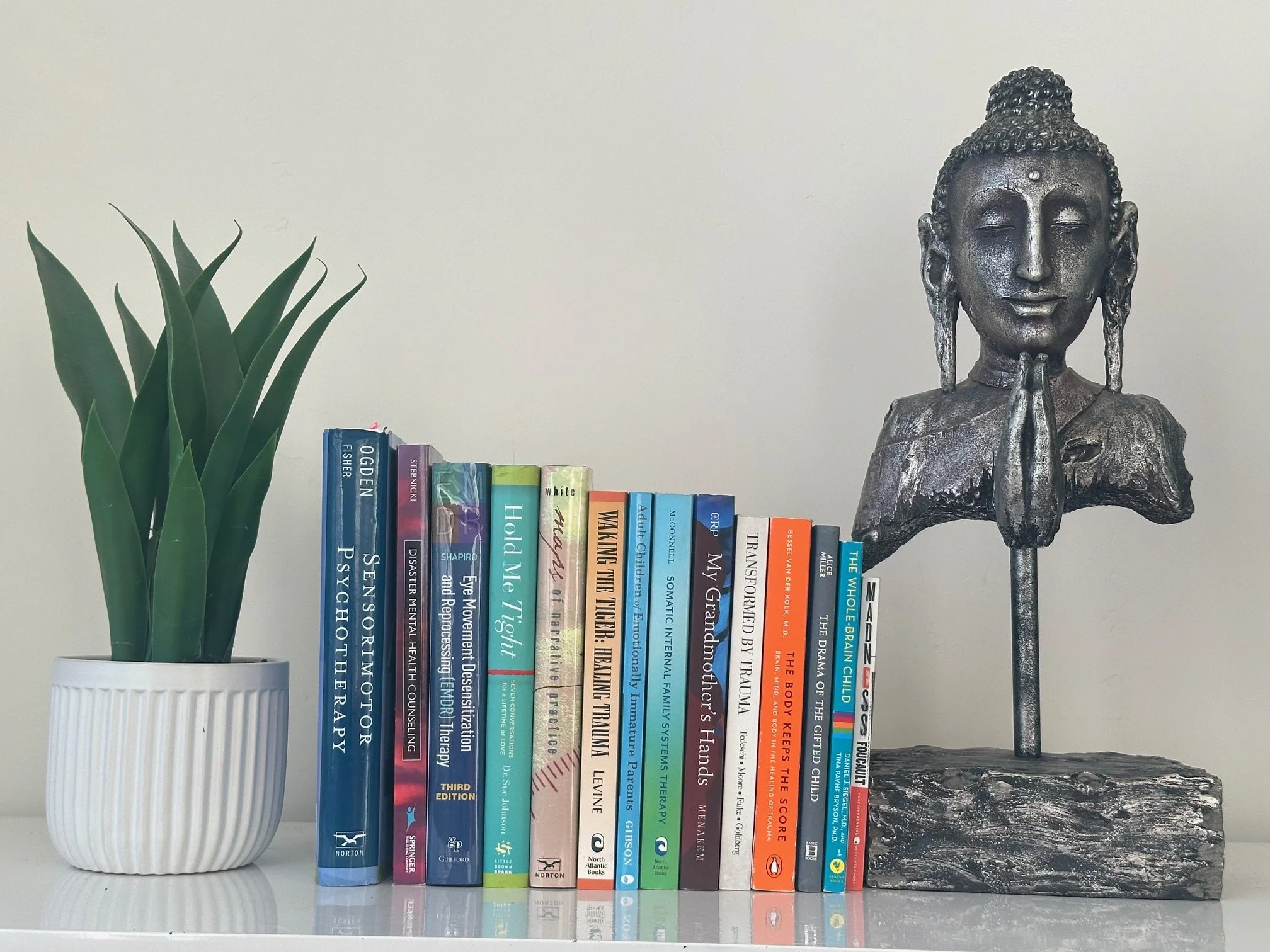
Lasting change often happens through new relational experiences.
The Maduro Method slows down the interaction between mind, body, and story, creating space for new experiences to emerge. The work attends not only to insight and coping skills, but also to the relational conditions that allow safety, connection, and change to take root. Over time, these experiences can begin to reshape meaning, identity, and the stories people carry forward.
We work in three places at once.
We explore the meanings people make of their experiences and the expectations those meanings create. Often, the mind is trying to anticipate what might happen next in order to avoid what has felt painful before.
We attend to the body's signals of stress, safety, and exhaustion by working with pacing, grounding, and co-regulation rather than overriding symptoms.
We make space for the stories people carry about who they are in relationship to others, shaped by early attachment, trauma, and caregiving roles.
The Maduro Method integrates somatic, EMDR, narrative, and attachment-based therapies.
These three dimensions don't always change at the same pace. You may understand why something happens long before your body responds differently. Or you may notice a shift in how you feel before you have words for what has changed.
The work is not about choosing mind, body, or story. It is about noticing where a pattern is being held in place, working there, and allowing change in one area to begin creating movement in the others.
The Pause creates more room for change.
Between what happens and how we respond, there is space. Mind · Body · Story are already at work there. The Pause is the practice of becoming more present in that space, so more of you can participate in what happens next.
Explore The Gap & The Pause →
The body carries the rhythms of regulation and overwhelm.
Four overlapping phases.
Mind, Body, and Story remain present throughout the work. These four phases describe how the process may unfold, often overlapping rather than following a fixed sequence.
Progress does not always feel like relief.
As you become more aware of a pattern, it may initially feel stronger rather than weaker. You may notice emotions, sensations, or protective responses that were previously happening outside your awareness.
This does not necessarily mean you are moving backward. Sometimes it means you can finally recognize what your system has been carrying and how quickly it moves into protection.
The work is not about staying calm all the time. It is about building the capacity to remain connected to yourself when something gets stirred up, and having more choice in what happens next.
Whether you're processing the past or building toward what's next, there's support for that.
Same framework. Different focus. We can decide together where to begin.
Healing what happened and how it still lives in your body and relationships.
- Trauma or attachment wounds
- Anxiety, shutdown, or chronic dysregulation
- Relational patterns rooted in earlier experiences
- Symptoms that interfere with daily life
Building what's next while staying attuned to your body.
- Career transitions, leadership, or professional growth
- Boundaries and relational clarity
- Goals, values & alignment
- Generally functioning well but wanting clarity
Sometimes the work overlaps. We can explore together what support makes the most sense for where you are right now.

Collaborative, paced, and attuned.
Sessions move at a pace that feels sustainable for you. We pay attention not only to thoughts and emotions, but to the subtle ways the body responds in moments of stress, closeness, conflict, grief, and change.
- Slow down moments of activation to notice what your body is signaling
- Track relational patterns as they show up in the room
- Work with parts of you that learned to manage, appease, or stay vigilant
- Practice small shifts that feel manageable and can carry into everyday life
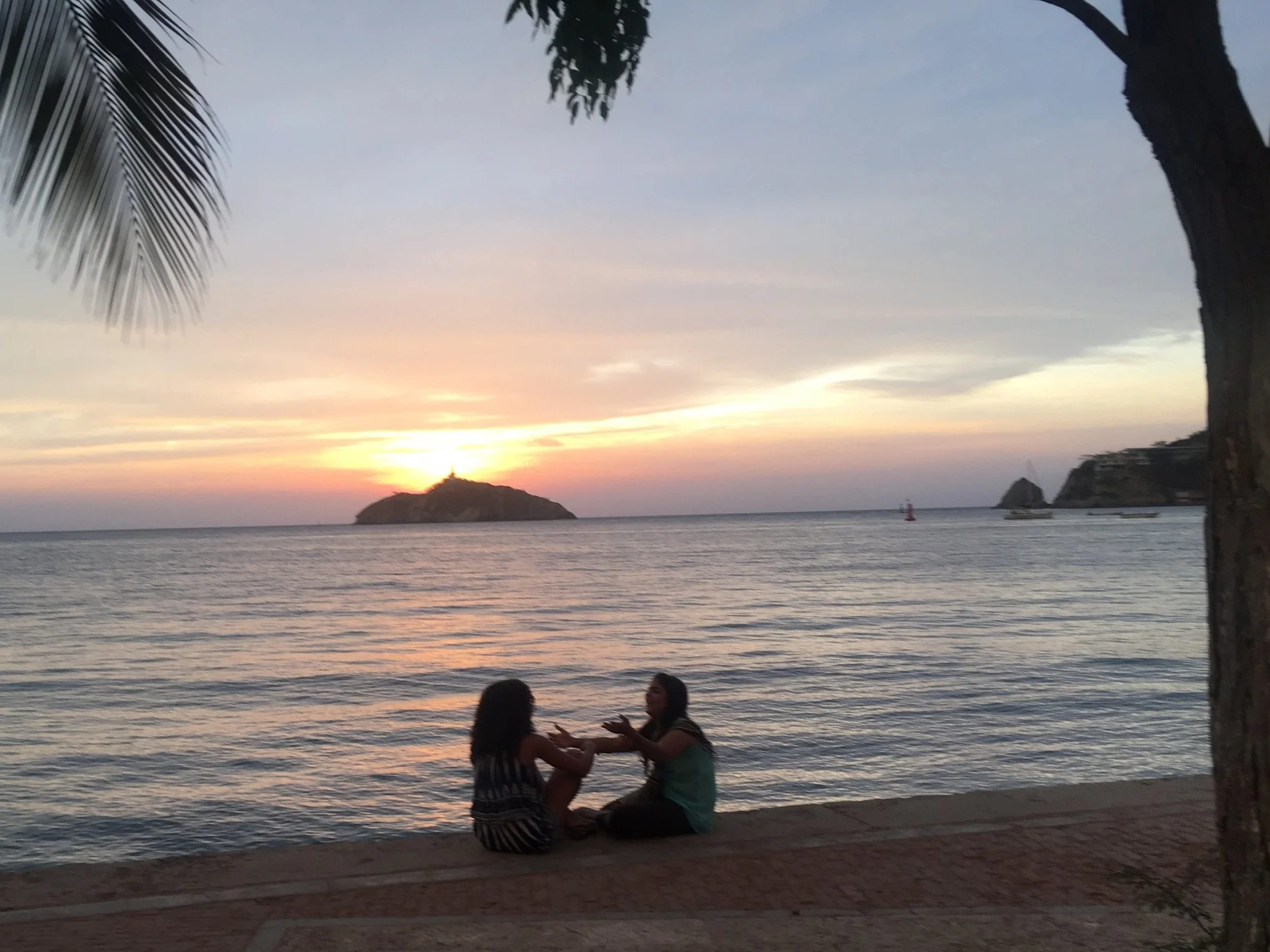
Story holds relational memory.

See this approach in practice.
Change becomes possible when all of you is part of the work.
You do not need to know whether to start with mind, body, or story.
I offer a free 15-minute consultation where we can talk about what brings you here and whether working together feels like a good fit.
Book a free consultation